October 19, 2026
Trees contribute shade, beauty, privacy, and habitat to residential and commercial properties. However, a tree can become a concern when it develops structural problems, suffers significant storm damage, or grows in a location where falling limbs could threaten people or property. Recognizing these situations early helps property owners make informed decisions about landscape safety and long-term maintenance.
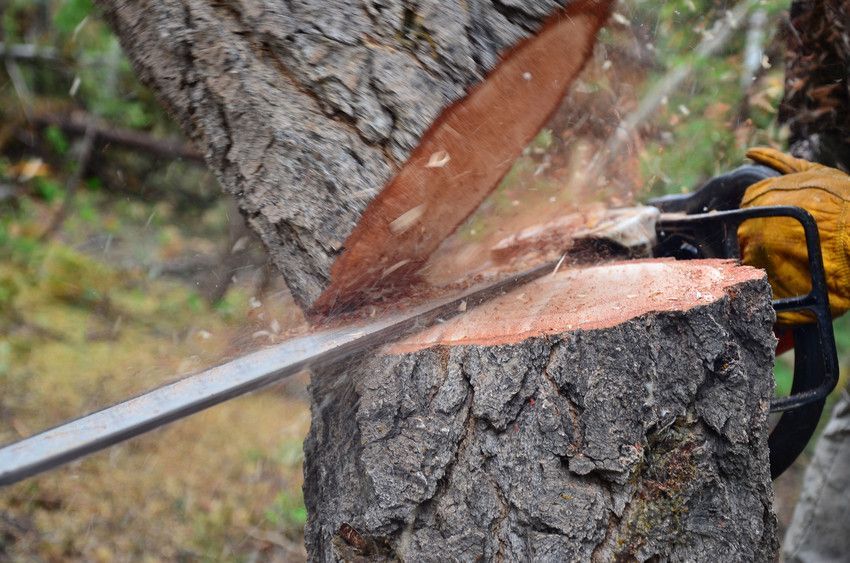
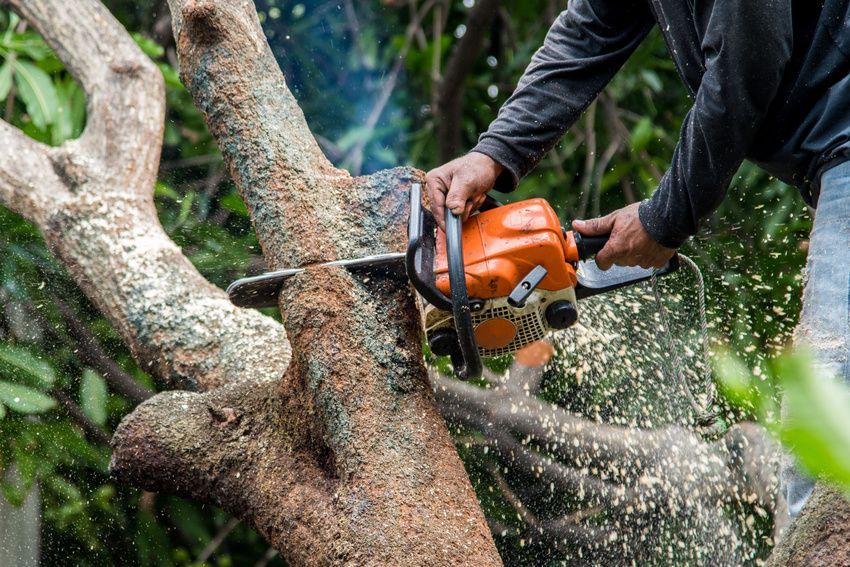
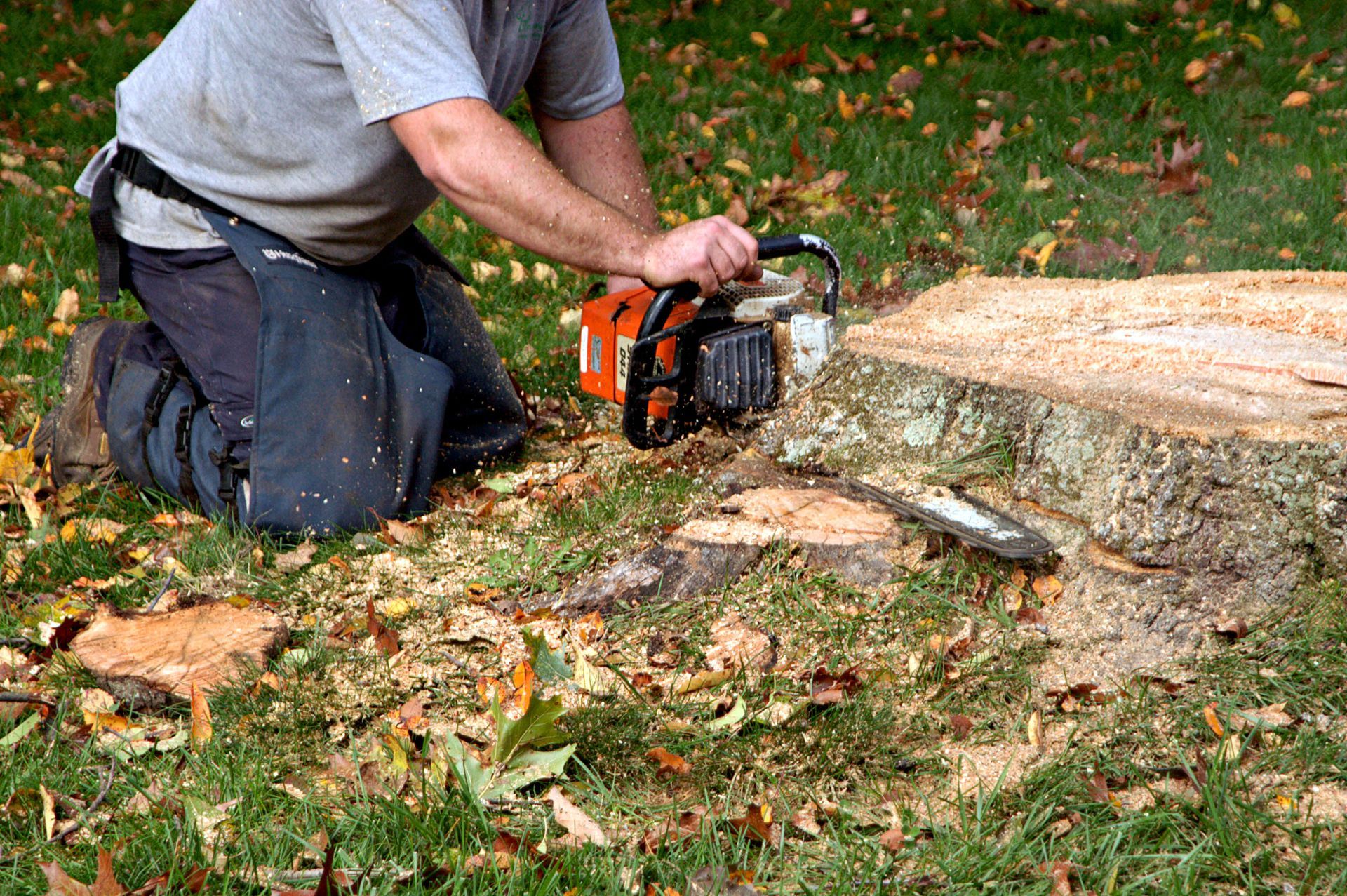
Tree removal services can be appropriate when a tree has reached a point where pruning, cabling, or other preservation measures are no longer practical. The decision should consider the tree's condition, location, size, surrounding structures, and potential impact on the property. A professional evaluation can help determine the most suitable course of action without unnecessarily removing healthy trees.
Recognizing Signs of Declining Tree Health
Visible changes in a tree can provide important clues about its condition. Dead branches, extensive decay, cavities, cracked limbs, unusual leaning, and significant trunk damage may indicate that a tree needs closer attention. Fungal growth around the base can also be associated with decay, although its presence alone does not determine whether removal is necessary.
Seasonal changes can make some problems easier to notice. During fall, when leaves begin to drop, property owners may have a clearer view of branch structure and deadwood. Winter can also reveal cracks, weak branch unions, and other structural concerns. In spring and summer, unusual leaf loss, sparse growth, or damaged bark may warrant a professional assessment.
Evaluating Risks Around Homes and Buildings
A tree's location is just as important as its health. A declining tree positioned near a home, garage, driveway, fence, utility equipment, or frequently used outdoor area may present greater consequences if a major branch or the entire tree fails. Even a relatively healthy tree can require attention when its growth conflicts with structures or access areas.
Professional tree removal services can address situations where a tree poses a meaningful risk to nearby property. The evaluation should account for the tree's height, canopy spread, trunk condition, nearby structures, and possible fall path. Considering these factors together creates a more complete picture than judging the tree by appearance alone.
Considering Storm and Seasonal Damage
Severe weather can change a tree's condition quickly. High winds, heavy rain, ice, and lightning can break branches or compromise a trunk. Storm damage may not always be obvious from ground level, particularly when cracks occur high in the canopy or branches become lodged in other trees.
After significant weather, property owners should pay attention to newly broken limbs, hanging branches, exposed roots, split trunks, and trees that appear to have shifted. Areas with frequent storms can benefit from routine inspections before severe weather arrives. Addressing concerns promptly can help reduce the chance that damaged trees create larger property problems later.
A timely response is especially valuable when a storm leaves debris or partially broken limbs behind. Delaying an assessment can allow additional weather to worsen existing damage. Professional tree removal services can help property owners determine whether a damaged tree should be removed or whether another form of care may be appropriate.
Understanding Professional Height and Safety Concerns
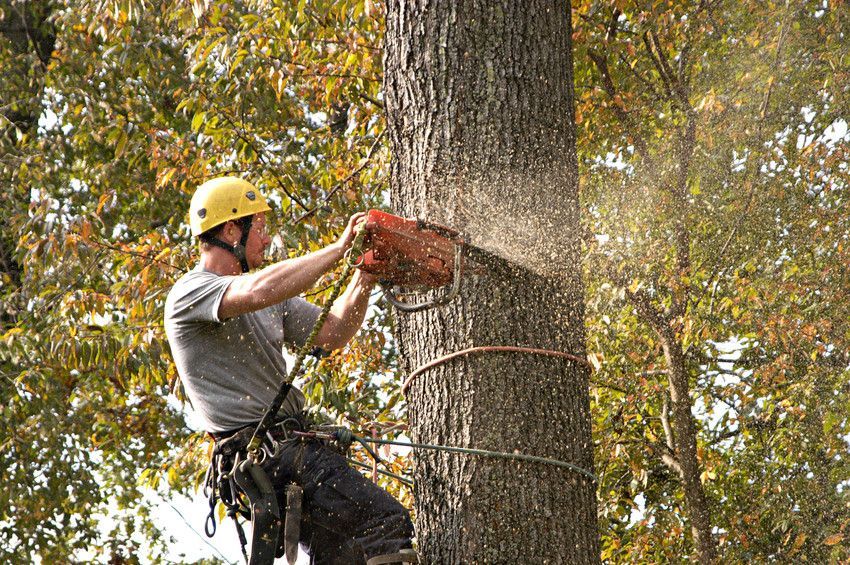
Tree size can significantly affect the complexity of removal work. According to Today's Homeowner, professional tree removal services should handle trees that exceed 15 to 30 feet in height. Height increases the need for careful planning because branches and sections of a trunk can affect structures, landscaping, utility lines, and other nearby features as they come down.
Professional crews can evaluate access, equipment requirements, work areas, and potential hazards before beginning a project. This planning is particularly important when a tree is close to a building or when the property has limited space. A controlled approach helps protect surrounding areas while keeping the work organized.
Protecting Structures and Landscapes
Removing a tree is not simply a matter of taking down the trunk. The surrounding landscape must also be considered. Fences, sheds, gardens, driveways, outdoor living spaces, irrigation components, and other features can all influence how removal work should be planned.
Tree removal services can be coordinated around these site-specific considerations. Professionals can determine where equipment can safely access the property and how the tree should be sectioned or lowered when space is limited. Careful planning can help minimize unnecessary disruption to lawns, planting beds, and other established landscape features.
Managing Trees Near Utility Lines
Trees growing close to utility lines require particular caution. Branches can interfere with electrical infrastructure, while storm-damaged trees may create additional hazards. Because utility areas can involve serious safety risks, property owners should not attempt to manage dangerous growth around lines themselves.
A professional assessment can help identify the appropriate next step and determine whether coordination with the utility provider is necessary. Keeping trees and utility infrastructure safely separated is an important part of responsible property maintenance, especially in areas that experience strong seasonal weather.
Planning for Long-Term Property Safety
Tree care is most effective when it is viewed as an ongoing part of property maintenance rather than a response to emergencies alone. Regular professional evaluations can help identify developing problems before they become urgent. This approach can also support better decisions about which trees should be preserved and which may need to be removed.
Property owners can consider tree condition alongside changes in the landscape. New construction, driveway projects, drainage changes, landscaping updates, and mature growth can all affect how trees interact with a property. Reviewing these changes over time makes it easier to address potential conflicts before they become more complicated.
Choosing the Right Time for Removal
Timing can influence how easily a tree removal project fits into a property's maintenance schedule. In many cases, dormant seasons can provide practical advantages because deciduous trees have fewer leaves, and surrounding landscapes may be less active. However, hazardous or severely damaged trees should not be left standing simply because the season is inconvenient.
Weather, accessibility, tree condition, and the location of the tree should all factor into scheduling. A professional can assess the circumstances and recommend an appropriate timeframe. For properties in regions with changing seasonal conditions, planning ahead can also make it easier to address concerns before periods of severe weather.
When removal is planned in advance, homeowners can also consider access and site preparation with greater flexibility. This may help coordinate the work with other property projects, seasonal landscaping, or scheduled maintenance. Tree removal services are easier to manage when safety, timing, and site conditions are considered together.
Supporting a Healthier, Safer Landscape
Responsible tree management balances safety with the value trees bring to a property. Not every damaged or aging tree automatically needs to be removed. In some situations, pruning or other professional care may preserve a tree while reducing specific hazards. In others, removal may be the most responsible option.
The goal is to make decisions based on the tree's actual condition and the surrounding environment. Working with qualified professionals provides property owners with a clearer understanding of available options and helps ensure that necessary work is planned with safety in mind.
Clear communication also matters throughout the process. Property owners benefit from knowing what the work involves, how access will be handled, and what precautions will protect nearby features. Professional tree removal services can provide a structured approach that keeps safety, property protection, and the surrounding landscape in view from the initial assessment throughout.
For property owners who need dependable guidance when a tree becomes hazardous, damaged, or unsuitable for its location, Powell Property Maintenance & Tree Service can evaluate the situation and provide professional support tailored to the property. Contact the team today to discuss your tree care needs and schedule a professional assessment.