October 21, 2026
Pennsylvania properties experience changing weather throughout the year, and trees respond to those conditions in different ways. Summer growth can add weight to branches, while autumn leaves may make structural problems harder to notice. Winter can bring snow, ice, and freezing temperatures, and spring storms may expose weakened limbs or roots. Understanding these seasonal changes helps property owners recognize when professional attention may be appropriate.
For homeowners in Bucks County and surrounding Pennsylvania communities, seasonal planning can also help keep outdoor spaces orderly and accessible. Trees that have become damaged, diseased, unstable, or poorly positioned may require professional assessment. Addressing concerns before a severe weather event can reduce the chance that an existing problem becomes an urgent property issue.
Assessing Trees Before Weather Changes
A professional assessment can provide useful information about a tree’s condition before seasonal weather places additional stress on it. An arborist may look for deadwood, decay, weak branch attachments, visible damage, or other structural concerns. The surrounding property also matters because a tree near a roof, driveway, fence, utility line, or other structure may present different risks than one standing in an open area.
This assessment is especially useful when a tree has changed noticeably since the previous season. Leaning, broken limbs, exposed roots, and significant dieback can all warrant closer attention. A professional can determine whether trimming, pruning, cabling, or another service is appropriate, rather than assuming removal is always necessary.
Planning Around Pennsylvania Storm Seasons
Severe weather can change a property's tree-care needs quickly. High winds and heavy rain may break branches or destabilize already weakened trees. After a storm, fallen limbs can block driveways, damage structures, or make parts of a property difficult to access. Professional storm cleanup can help restore safe access while addressing damage that requires specialized equipment or expertise.
For situations involving significant structural damage, tree removal may be necessary to protect buildings, vehicles, and people. Timing can be important, but safety should remain the priority. Powell Tree Service offers 24/7 emergency tree care across Bucks, Montgomery, Delaware, and Philadelphia counties, according to its website. This availability is particularly relevant when a storm creates an urgent hazard outside normal business hours.
Understanding Professional Tree-Care Costs
Seasonal planning can also make property maintenance expenses easier to anticipate. The cost of professional tree work varies based on factors such as tree size, location, condition, accessibility, equipment needs, and the scope of cleanup. A large tree in a confined space may require more specialized planning than a smaller tree in an open yard.
According to Forbes, tree trimming typically costs between $250 and $700 per tree. These figures are general averages rather than a quote for a specific property, and actual pricing can differ based on project conditions. Getting a professional estimate allows property owners to understand the work involved and plan accordingly.
A clear estimate is particularly valuable when several services may be needed. Trimming, stump grinding, land clearing, storm cleanup, and other property services can involve different equipment and labor requirements. Professional evaluation helps clarify which services address the property's current needs.
Considering Trimming Before Removal
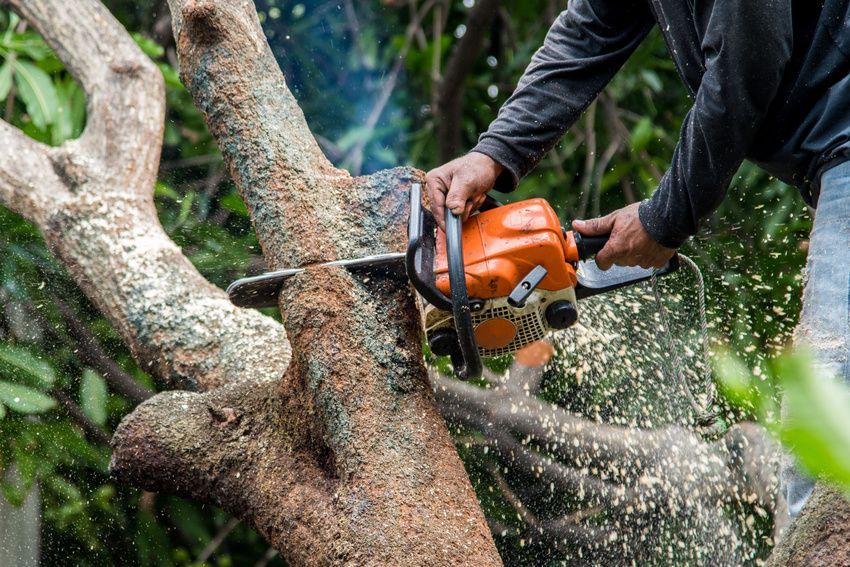
Not every tree that looks overgrown or damaged needs to come down. Professional trimming can address deadwood, structural concerns, clearance issues, and overgrown canopies while preserving healthy trees when appropriate. Proper pruning may also improve sunlight penetration, air circulation, and the overall appearance of a landscape.
A qualified arborist can help distinguish between a tree that needs maintenance and one that presents a more serious hazard. This distinction matters because preserving a healthy tree can benefit a property's appearance and landscape character, while removing a genuinely hazardous tree can address a significant safety concern. Professional guidance keeps the decision focused on the tree's condition and the surrounding environment.
Preparing Properties for Major Projects
Some seasonal property goals involve more than individual trees. Homeowners and property managers may need to clear overgrown areas before construction, landscaping, access improvements, or other outdoor projects. Land clearing can address trees, stumps, brush, and related debris to create a more usable space.
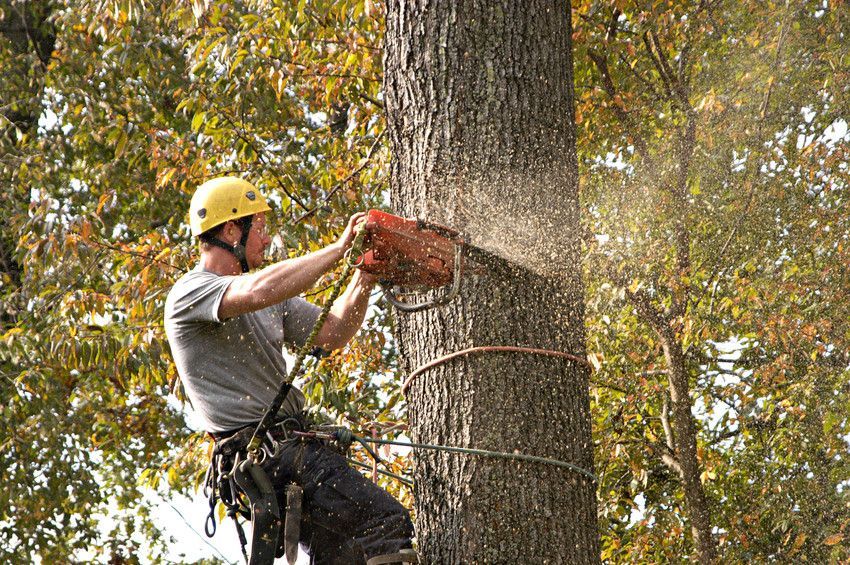
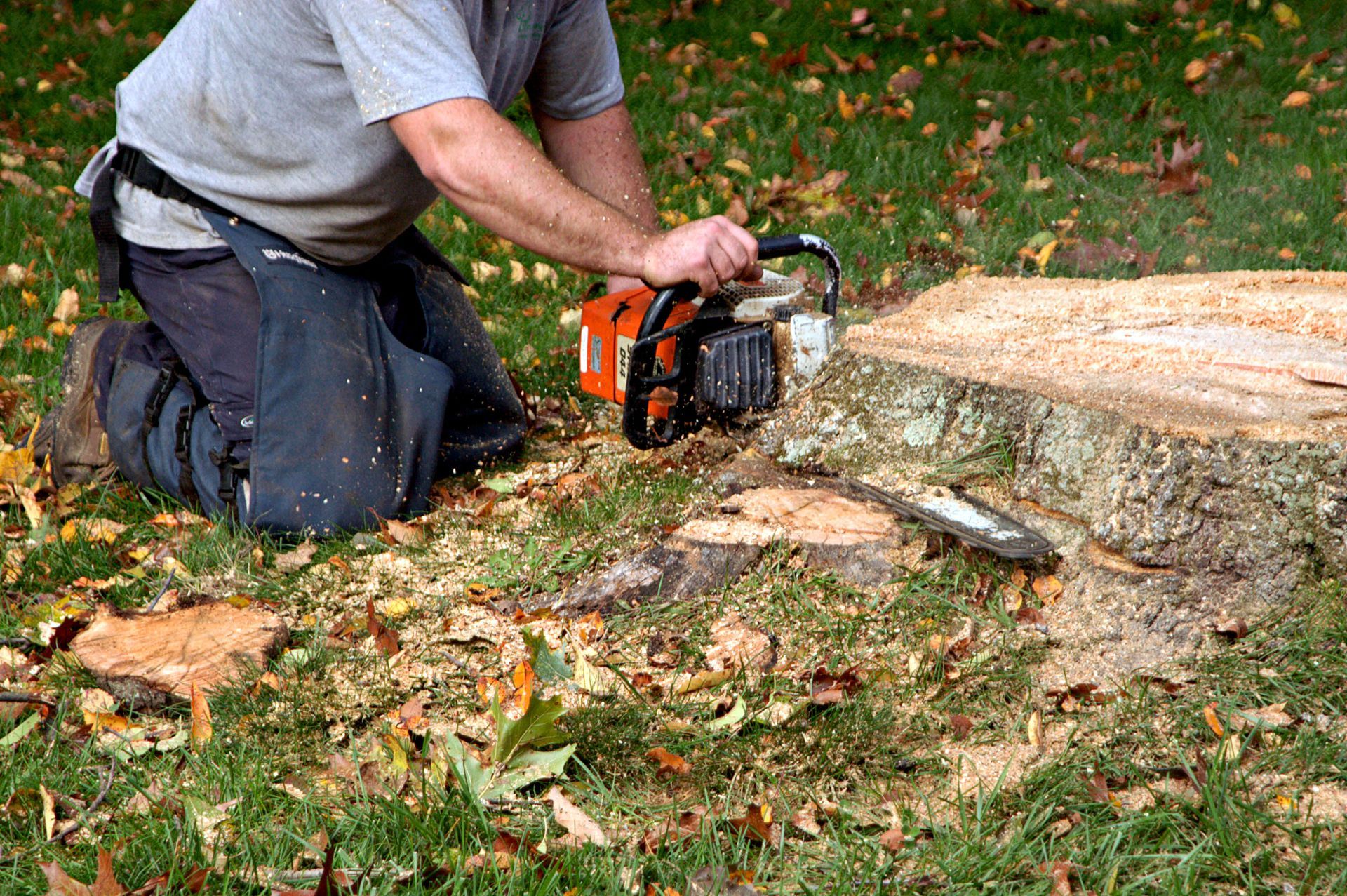
Specialized equipment can make a difference when trees are unusually tall, located near structures, or positioned in restricted areas. Crane and bucket services can support controlled work in locations where ordinary access is limited. Stump grinding can also help remove remaining wood below grade, leaving an area better prepared for future landscaping or replanting.
Professional planning is especially important for larger projects because site conditions can affect equipment access, work sequencing, and cleanup. A property assessment before work begins helps identify potential complications and establishes a practical approach for completing the project safely.
Maintaining Properties Between Major Services
Seasonal planning does not end when a major project is complete. Regular observation and professional maintenance can help property owners stay aware of changing tree conditions. Trimming can manage growth, while health assessments can identify concerns before they become more difficult to address.
Routine maintenance may also support curb appeal and help keep branches away from buildings and utility areas. For properties in Pennsylvania communities with mature trees, ongoing care can be a practical part of responsible landscape management. Scheduling attention before a known seasonal weather period may also make it easier to address concerns without waiting for an emergency.
Professional maintenance is particularly helpful for large or mature trees because their size can make potential hazards harder to evaluate from the ground. A trained team has the experience and equipment needed to work around structures and other property features while keeping safety in focus.
Choosing Professional Support for Safer Property Care
When a tree presents a potential hazard, a professional service provides an organized way to evaluate the situation and determine the appropriate next step. This is especially important when the tree is large, damaged, close to a structure, or affected by severe weather. Specialized equipment, trained personnel, and appropriate safety procedures can make complex work more manageable.
Powell Property Maintenance & Tree Service is locally owned and operated and has served Pennsylvania communities since 2012. The company reports more than 15 years of hands-on experience, ISA and PCIA certifications, licensing and insurance, and services across Bucks, Montgomery, Delaware, and Philadelphia counties. Its services include trimming, stump grinding, land clearing, storm damage work, and emergency care.
Timing Work Around Seasonal Conditions
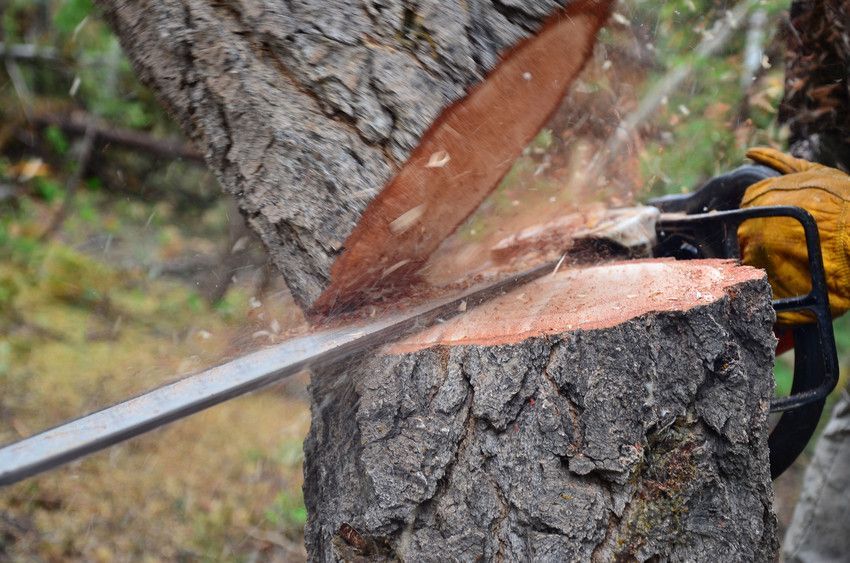
Timing for professional tree removal work depends on the tree. Planning tree removal ahead of severe weather gives crews time to evaluate access and nearby structures. Urgent storm damage may require prompt attention.
Coordinating Cleanup and Property Access
Tree work can affect driveways, fences, buildings, landscaping, and walkways. Planning tree removal around these features helps crews determine equipment placement and debris handling. Crane and bucket services can support larger projects in tight spaces, while stump grinding can prepare areas for landscaping.
Protecting Long-Term Landscape Goals
When tree removal is necessary, professional planning can help protect nearby landscaping and determine how the space may be used afterward. In other cases, trimming may address concerns while allowing a healthy tree to remain.
Professional tree removal can fit into a property maintenance plan. Property owners can discuss priorities during an estimate so the recommended service reflects the tree's condition.
Tree removal planning with seasonal conditions can support an organized project. Professional guidance helps evaluate risks and plan equipment needs. Careful planning can reduce surprises for projects. This approach helps property owners move forward confidently. Contact Powell Property Maintenance & Tree Service today!