November 24, 2026
Two trees on the same property can require very different amounts of work. A young ornamental tree may need only a few corrective cuts, while a mature shade tree could require climbing, specialized equipment, and careful handling of heavy limbs. Height matters, but it is only one part of a professional estimate. Understanding how size, condition, and location affect tree trimming helps property owners compare proposals and make sensible maintenance decisions without sacrificing tree health.
Why Tree Size Affects the Estimate
The taller and wider a tree becomes, the more challenging it may be to reach its branches safely. A broad canopy can also produce more debris and require additional time to make well-placed cuts. According to Forbes, the average cost of tree trimming is between $250 and $700 per tree. That national range is a useful reference, not a guaranteed quote. Actual charges may fall outside it depending on the work involved.
Size is usually considered alongside species, branch thickness, access, and the goal of the visit. Removing one broken limb is different from correcting several competing branches throughout a canopy. A qualified provider should evaluate the individual tree before recommending the scope of work. That assessment matters more than assigning a price based on height alone, especially when a tree has been neglected or damaged by a storm.
What Smaller Trees Typically Require
Small ornamental and young landscape trees are often easier to reach from the ground with appropriate hand tools. Their branches tend to be lighter, so crews may need less time and equipment than they would for a much larger specimen. However, a small tree growing beside a fence, parked vehicle, or delicate planting bed still calls for thoughtful planning.
Pruning young trees can also influence how they develop. Selective cuts may address rubbing branches or encourage a sound structure as the canopy matures. Removing too much living growth can slow development and create new problems. Rather than scheduling aggressive cuts simply because the tree is easy to reach, ask which branches actually need attention. A focused visit can protect a young tree's shape and reduce the chance of avoidable structural issues later. Early attention to branch spacing can also be less disruptive than correcting a crowded crown once its limbs become thick and difficult to remove.
Why Medium-Sized Trees May Cost More
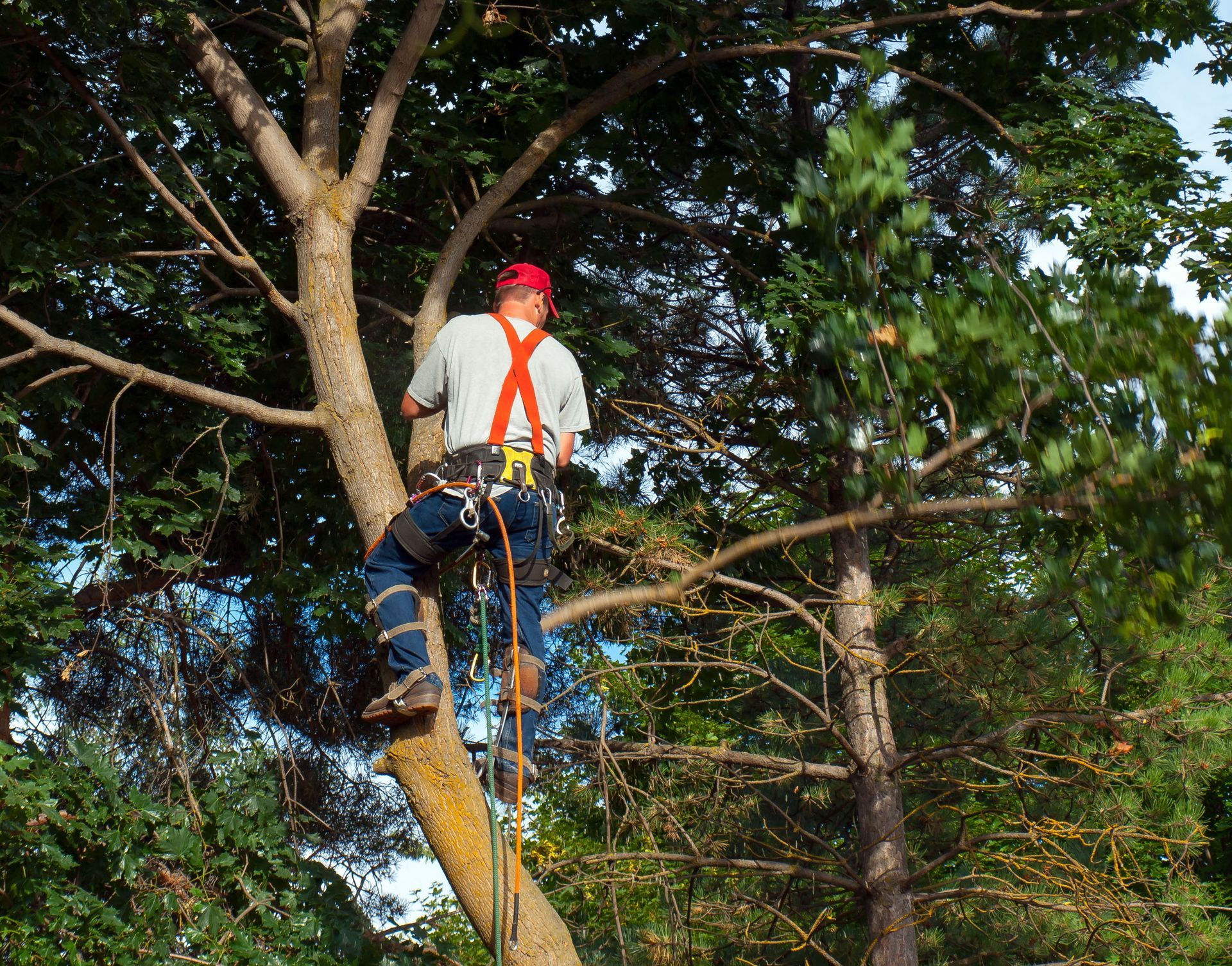
As trees grow, their branches become larger and the canopy may spread over driveways, walkways, or rooflines. Reaching the right cutting points can take more time, and crews may need climbing systems or an aerial lift where site conditions allow. The amount of material to be lowered and collected can increase as well.
Medium-sized trees are not necessarily difficult to maintain, though their location can complicate otherwise routine work. A tree in an open lawn may be easier to service than a shorter tree surrounded by buildings. During an estimate, describe the concern clearly: a branch blocking a path, limbs rubbing together, or deadwood above a frequently used area. The purpose of tree trimming should guide the work rather than an arbitrary request to remove a percentage of the canopy.
Why Large Trees Need More Planning
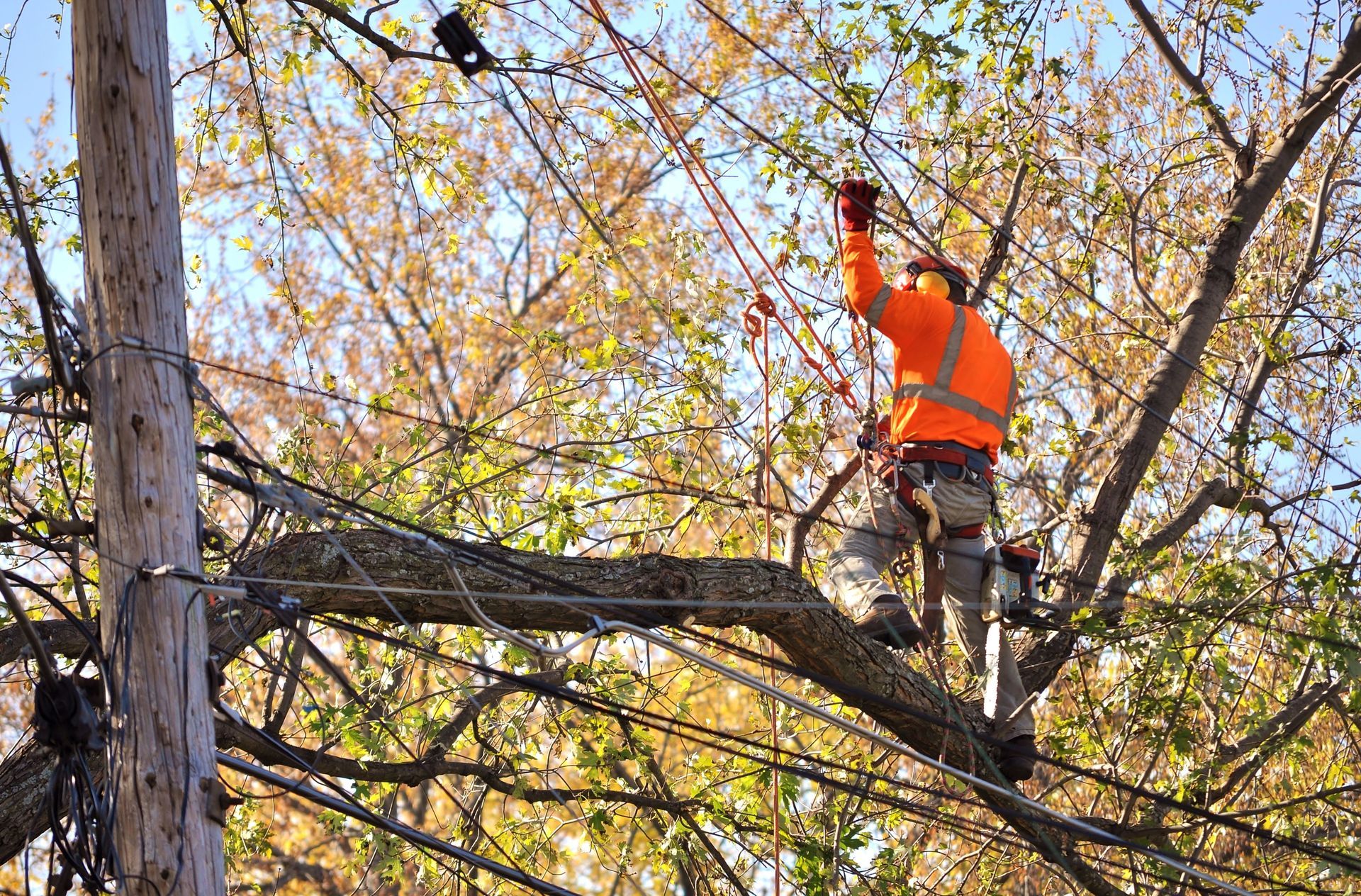
Mature trees often provide valuable shade and habitat, but their height and substantial limbs increase the consequences of mistakes. Crews may need specialized rigging to lower branches in controlled sections rather than allowing them to fall. Limited equipment access, uneven ground, and nearby structures can add to the work. Larger projects may also require more personnel and a longer cleanup. When branches extend above a home, crew members may need to move them piece by piece to avoid damaging roofing, gutters, or landscaping below.
Not every mature tree needs extensive pruning. A healthy canopy may require only selective removal of dead or damaged branches. Topping, or indiscriminately cutting back major limbs, can leave large wounds and encourage weakly attached new shoots. Ask how proposed cuts will preserve the tree's natural structure. Work near electrical lines should be left to appropriately qualified line-clearance professionals; property owners should never attempt to clear those branches themselves.
How Site Conditions Affect the Price
Tree height does not explain the full cost of a visit. A backyard with a narrow gate may prevent equipment from reaching the work area. A sloped property can complicate footing and debris movement, while nearby sheds, gardens, and fences may require added protection. These details influence how branches are removed and where equipment can be positioned.
Tree condition matters, too. Dead, cracked, or storm-damaged limbs may be unstable and need a different approach from routine pruning. Some symptoms also require an arborist's assessment before anyone begins cutting. Timing can affect scheduling, but there is no universally best season for every species or purpose. The proper window depends on tree biology, local conditions, and whether an immediate safety concern exists. When comparing tree trimming quotes, explain any access limitations and recent changes so each contractor evaluates the same circumstances.
What a Clear Written Quote Should Include
A useful estimate identifies the trees to be serviced, the branches or areas being addressed, and the reason for the proposed work. It should explain whether the crew will remove and haul away limbs, chip smaller debris, stack wood, or leave material on site. Those choices can change the total and should not be left to assumptions.
Ask about equipment access, expected scheduling, insurance, and the qualifications of the people performing the work. Confirm how unexpected conditions will be handled if the crew discovers damaged wood or a previously unseen obstruction. If several trees need attention, a combined visit may reduce some travel or setup time, but savings are not automatic. Compare the actual scope and safety approach instead of choosing solely by the lowest number. A careful proposal should make clear what the price includes and what would require separate approval. Photographs or marked branches can help everyone understand the agreed scope before work starts, especially when several trees stand close together.
Plan Care Around Each Tree's Needs
Routine inspections can help identify developing problems before a broken limb creates an urgent situation. Look from the ground for hanging branches, new cracks, unusual leaning, or changes in the soil around the trunk. Keep notes or photographs when something changes, and request an assessment if the concern is significant. Never stand beneath a damaged branch to inspect it closely.
Trees do not all need pruning on an annual schedule. Species, age, growing conditions, and previous work determine whether another visit is appropriate. Excessive cutting can reduce the foliage a tree needs for growth. A qualified professional can recommend when to reassess a tree and which issues can simply be monitored. Thoughtful planning makes
tree trimming a response to genuine needs, rather than a routine that removes healthy branches without a clear purpose.
Choose Long-Term Value Over a Quick Cut
A good service decision considers the tree that will remain after the crew leaves. Ask providers to describe the intended outcome in plain language and point out which branches they recommend removing. Clear communication helps prevent misunderstandings about canopy shape, clearance, and cleanup.
Whether a property has young ornamentals or towering shade trees, the most useful estimate reflects the actual work, not just the height. Powell Tree Service can help evaluate pruning needs and explain practical options for maintaining a safer, healthier landscape. Contact the company to discuss your trees and request an assessment tailored to your property.